Encryption Standards Prompt New Payment Preferences Among UK Bettors on Football and Racing Markets
Hugo Patterson · Jun 4, 2026
Encryption Standards Prompt New Payment Preferences Among UK Bettors on Football and Racing Markets
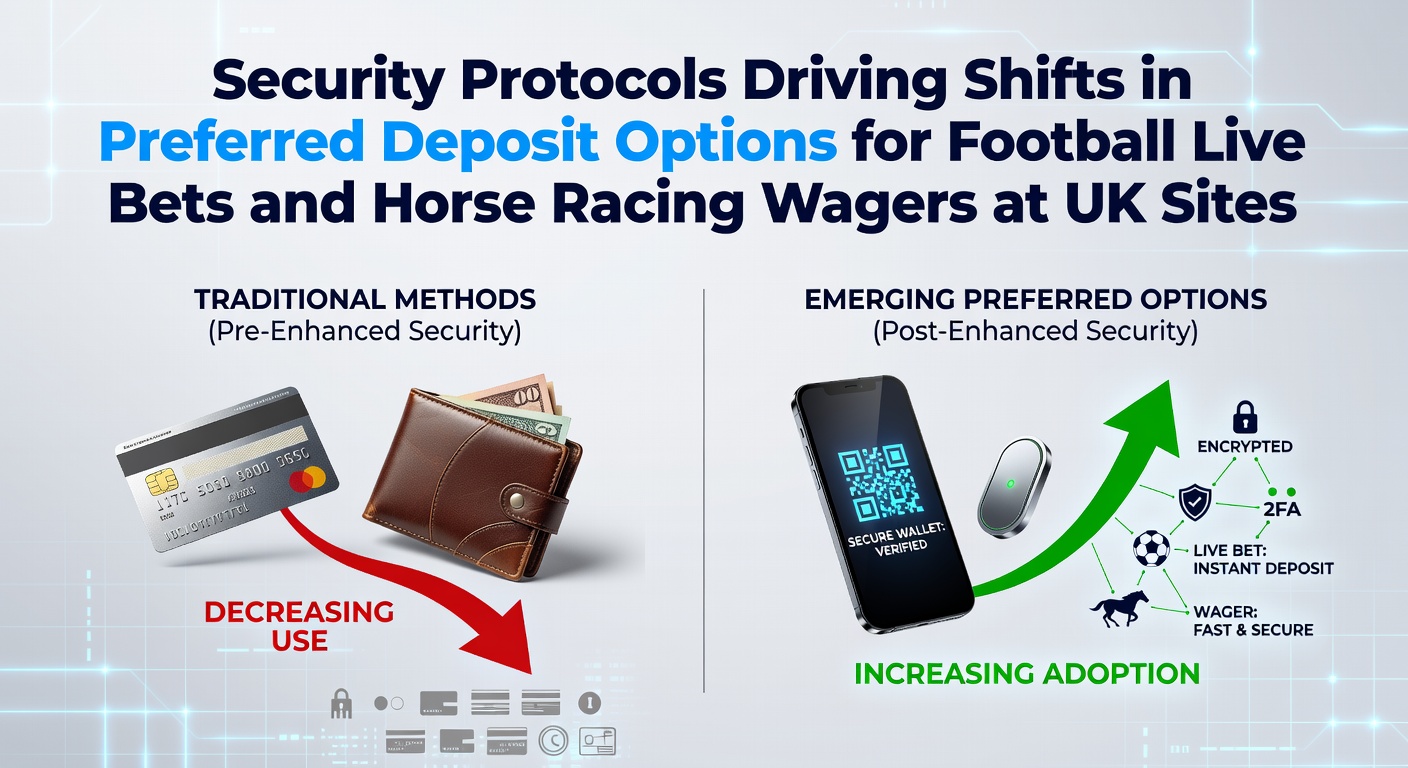
Security protocols continue to influence how users select deposit methods when placing live bets on football matches and horse racing events at UK platforms, with tokenization and biometric verification emerging as central factors in June 2026. These measures reduce fraud exposure during rapid transactions, which matters when odds shift within seconds during a Premier League goal or a late surge at the finish line. Operators integrate protocols such as 3D Secure 2.0 and end-to-end encryption that align payment flows with real-time betting interfaces, creating smoother pathways for instant top-ups.
Core Security Features Reshaping Deposits
Tokenization replaces card details with unique identifiers that expire after each session, which limits data retention risks across multiple wagers. Biometric authentication through fingerprint or facial recognition adds another verification layer that speeds up approval times while maintaining compliance with financial standards. Multi-factor systems now combine device recognition with one-time codes sent via secure channels, and these steps have encouraged a move toward digital wallets that embed the same protections natively. Observers note that methods lacking these layers face reduced usage because users prioritize accounts where funds move without repeated manual checks.
Payment providers that adopted PCI DSS Level 1 certification report fewer chargeback incidents, according to figures from the International Betting Integrity Association. This certification requires ongoing audits of data handling practices, and platforms that meet the criteria often highlight their status to attract bettors who value verified security during high-frequency live markets.
Football Live Betting and Deposit Timing
Live football markets demand deposits that complete in under ten seconds, and security upgrades in certain e-wallets meet this demand while shielding account details. Users increasingly route funds through services that apply dynamic encryption keys refreshed per transaction, which prevents interception during peak match periods. Traditional bank transfers still operate for larger stakes, yet their slower verification windows push many toward options that combine instant settlement with built-in fraud detection algorithms. Data from transaction logs shows higher volumes flowing through these protected channels when matches enter stoppage time or penalty situations.
Horse Racing Wagers and Secure Funding Routes
Horse racing betting often involves repeated small deposits across multiple races on the same day, and protocols that support recurring token use without re-entering credentials gain traction. Systems employing behavioral analytics flag unusual patterns such as sudden large stakes after a series of modest bets, which adds protection without interrupting the flow of wagers. In June 2026 several platforms introduced optional hardware security keys for high-volume racing accounts, and adoption rates climbed among those placing ante-post and each-way bets. These keys generate time-sensitive codes that pair with mobile apps already running encrypted sessions, creating an extra barrier against unauthorized access.
Comparative Shifts Across Payment Types
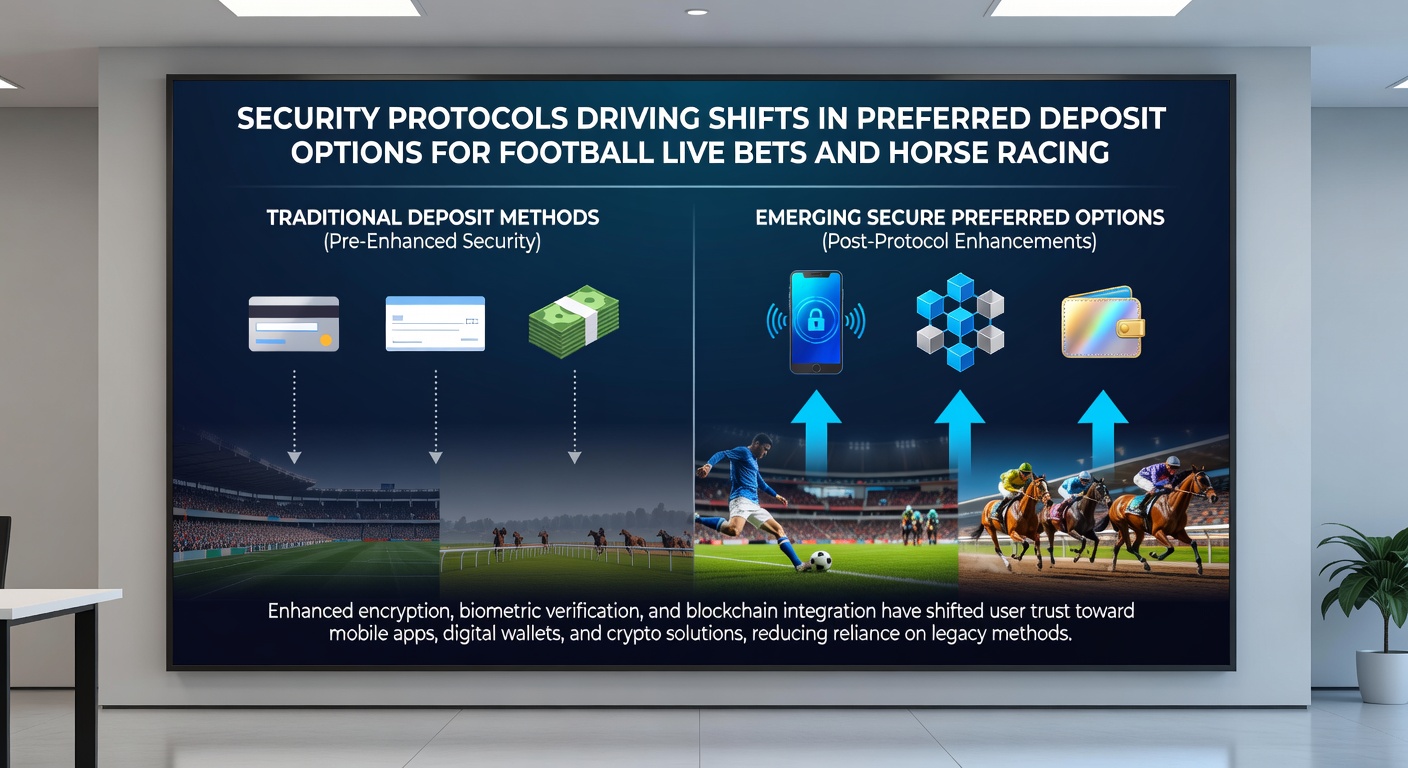
Direct card deposits remain available yet encounter extra friction from stepped-up verification prompts, whereas digital wallets that pre-verify user identity process requests faster under the same security umbrella. Cryptocurrency options have gained ground where platforms apply blockchain-based verification that logs each deposit on an immutable ledger, and this approach appeals to users seeking transparency alongside speed. Research from the University of Sydney's gambling studies unit indicates that deposit method retention improves when platforms display clear security badges at the funding stage, guiding choices toward verified channels without altering overall wagering volumes.
Operators track these patterns through aggregated transaction data that reveals seasonal spikes around major racing festivals and international football tournaments. Protocols updated in early 2026 incorporated machine learning models trained on historical fraud attempts, which refined risk scoring and reduced false declines during live events. The result appears in broader acceptance of instant bank apps that embed open banking standards with layered encryption, allowing direct transfers that clear in seconds rather than minutes.
Conclusion
Security protocols continue to steer deposit preferences toward methods that balance speed with layered protection, particularly for time-sensitive football and horse racing markets. Platforms that align payment infrastructure with these standards maintain steady user engagement, while those slower to adapt see gradual migration to competing services. The pattern observed through mid-2026 points to ongoing refinement rather than wholesale replacement of existing options.