Integrated Broadcast Feeds Transforming Live Betting Decisions at Elite UK Sports Events
Hugo Patterson · May 17, 2026
Integrated Broadcast Feeds Transforming Live Betting Decisions at Elite UK Sports Events
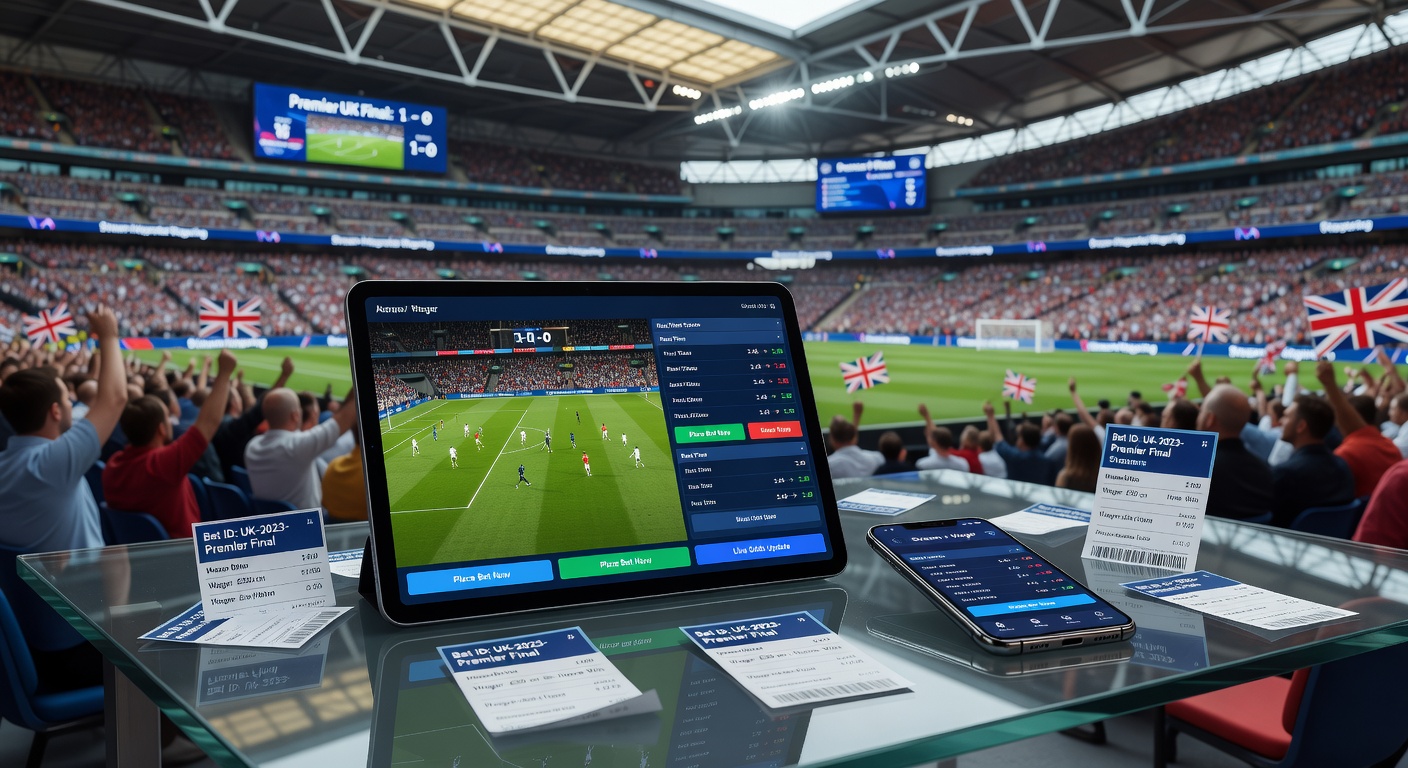
Premier sporting occasions across the UK now feature seamless streaming integration within betting platforms, allowing wager adjustments to occur in direct response to unfolding action on pitches, tracks, and courts. Operators have embedded live video feeds into mobile applications and desktop interfaces so that participants receive immediate visual context alongside fluctuating odds, statistics, and market options. This development builds on earlier in-play betting systems yet adds a layer of real-time imagery that previously required separate television access or delayed broadcasts.
Expansion of Live Visual Access During Key Fixtures
Football matches in the Premier League and Championship serve as primary examples where integrated streams appear alongside betting interfaces, enabling rapid shifts between pre-match selections and in-play propositions such as next-goal markets or player-specific outcomes. Data compiled by industry analysts indicates that in-play volumes during these fixtures have risen steadily, with visual feeds contributing to quicker recognition of tactical changes like substitutions or formation adjustments. Horse racing events at venues including Ascot and Newmarket similarly incorporate trackside cameras that sync with betting apps, presenting runners in real time so that bettors can monitor pace, positioning, and potential late surges without switching devices.
Cricket test matches and limited-overs internationals hosted at Lord's or the Oval have adopted comparable approaches, where ball-by-ball footage accompanies live scorecards and micro-markets for individual deliveries. Observers note that these integrations reduce reliance on external media sources and consolidate the decision-making process within a single application window.
Technical Mechanisms Behind Synchronized Wagering Updates
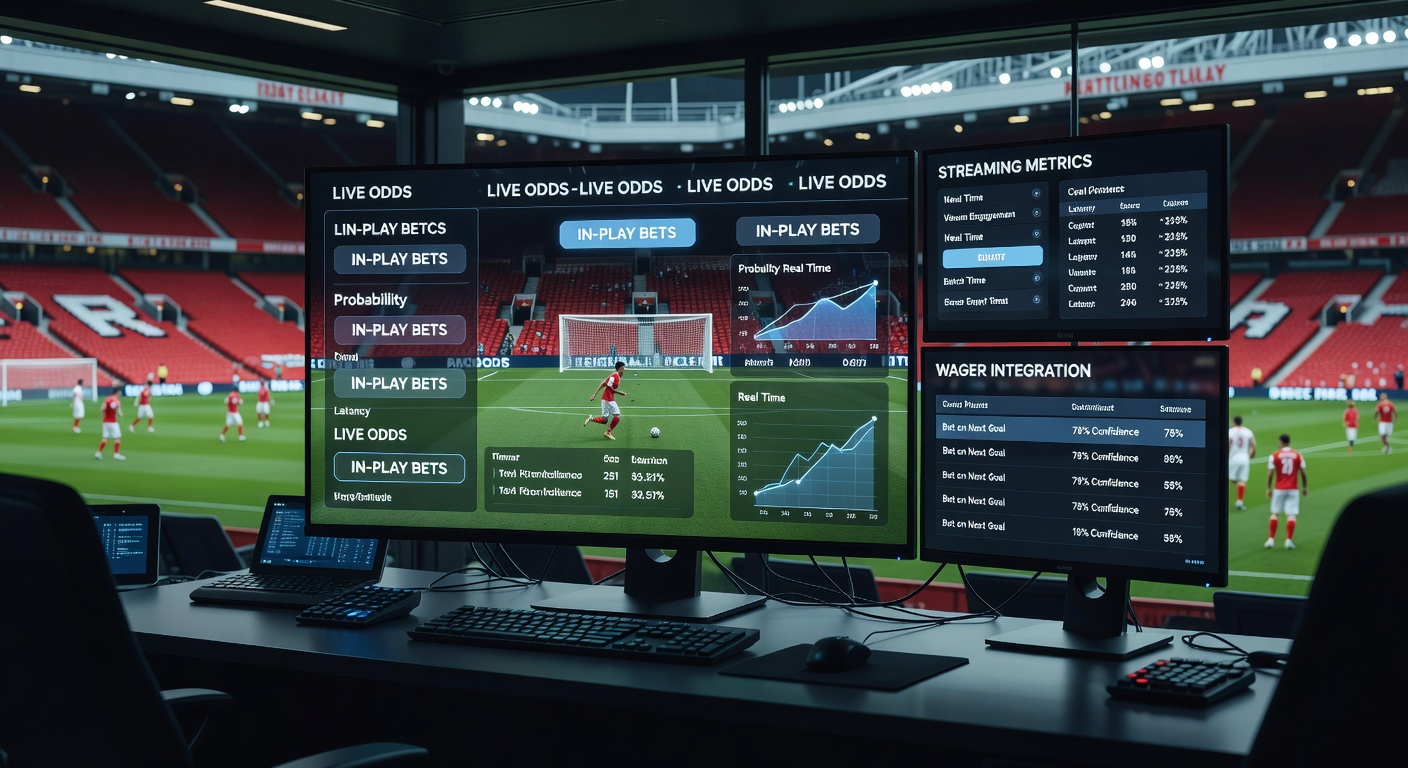
Platform providers achieve synchronization through low-latency video delivery protocols combined with application programming interfaces that push updated odds the moment new visual information becomes available. When a football team launches a counter-attack, for instance, associated markets on corners or shots on target refresh almost instantaneously, guided by both algorithmic models and the direct feed. Research conducted at several European universities highlights that latency reductions below two seconds correlate with higher engagement rates during peak moments of competition.
Those who have examined user behavior patterns report that participants often toggle between full-screen video and compact data panels, using the combined view to confirm referee decisions or track horse progress around final bends. Security protocols ensure that streams originate from licensed broadcast partners, maintaining compliance while preserving the integrity of wager timing.
Market-Specific Responses Across Different Disciplines
Football accumulators benefit particularly when streams reveal defensive lapses or attacking momentum shifts, prompting users to cash out or add legs mid-match. Tennis tournaments at Wimbledon demonstrate similar dynamics, with point-by-point footage informing serve-percentage markets and break-point opportunities. In both cases, the presence of visual confirmation appears to accelerate the pace at which participants revise their positions rather than waiting for secondary sources such as text commentary.
Horse racing markets exhibit distinct patterns because visual streams capture split times and ground conditions that influence late price movements. Punters monitoring the final furlongs can respond to unexpected fatigue in favorites or strong finishes from outsiders, adjusting stakes before official results are declared. Industry reports from organizations such as the European Betting and Gaming Association document parallel growth in these visual-dependent segments through 2025 and into projected figures for May 2026.
Regulatory and Infrastructure Considerations
Regulators in multiple jurisdictions have examined how embedded streams affect responsible gambling tools, prompting operators to incorporate session timers and reality-check prompts that remain visible during live viewing. Infrastructure investments in 5G networks and edge computing have supported wider rollout, reducing buffering issues that once disrupted the flow of information during critical moments. Academic studies published in the Journal of Gambling Studies further explore correlations between visual access and betting frequency, finding measurable but contained increases when streams are available.
Additional data sources, including analyses from Australian wagering regulators, provide comparative context showing that markets with integrated feeds often experience tighter spreads and faster settlement cycles. These observations extend to virtual and augmented overlays that highlight key zones on pitches or tracks, offering supplementary guidance without replacing direct footage.
Conclusion
Streaming integration continues to align visual information with betting functionality across premier UK sporting occasions, supporting more immediate wager modifications during football, racing, and other major events. As technical capabilities advance toward May 2026, the linkage between broadcast feeds and dynamic markets is expected to deepen, shaping how participants interact with live opportunities while maintaining established regulatory frameworks.