Loyalty Tiers and Strategic Adaptations in the UK Sports and Racing Betting Landscape
Hugo Patterson · May 21, 2026
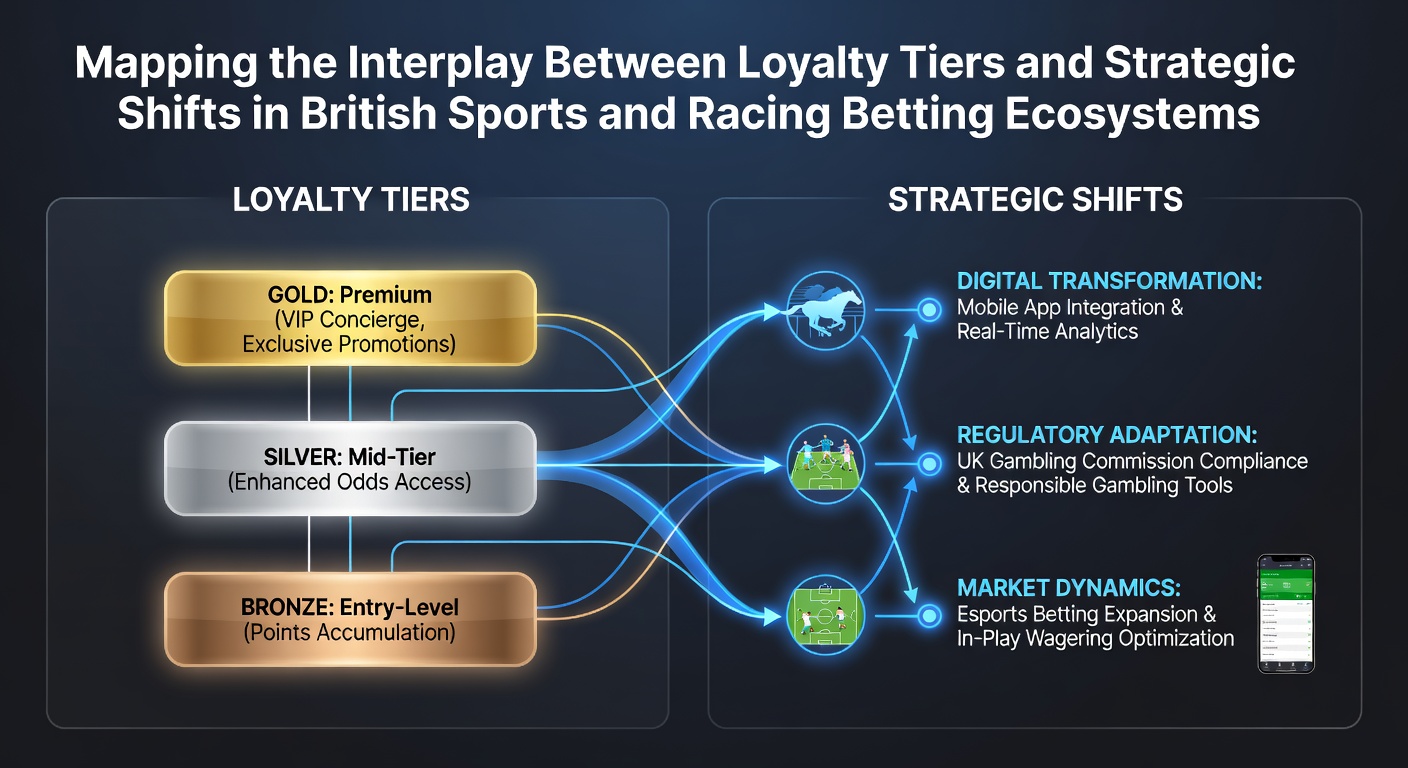
Loyalty Tiers and Strategic Adaptations in the UK Sports and Racing Betting Landscape
Operators across British sports and racing betting markets have refined tiered loyalty structures over recent years to align with evolving customer behaviors and regulatory pressures, and data from industry analyses shows these programs now incorporate points accumulation systems that reward consistent wagering activity while encouraging cross-product engagement between football markets and horse racing events.
Core Mechanics of Tiered Loyalty Programs
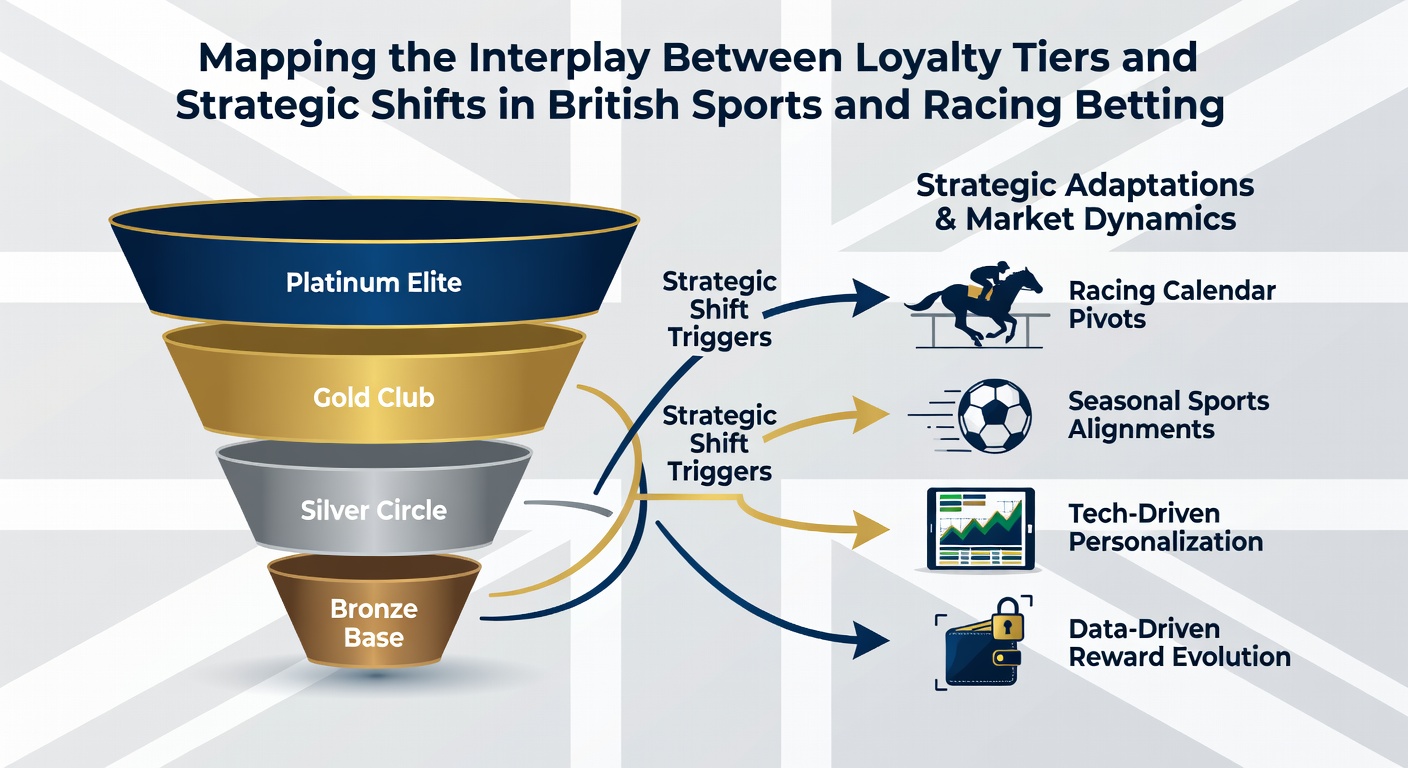
Most major platforms segment users into bronze, silver, gold and platinum levels based on cumulative stakes, deposit frequency and retention metrics, while points earned through matched bets convert into free bets or enhanced odds that scale with higher tiers, and researchers tracking these systems note that entry-level participants often receive standard cashback rates whereas elite tiers unlock personalised account managers along with accelerated withdrawal processing and exclusive event invitations.
Strategic adjustments appear when operators recalibrate point multipliers during peak racing seasons or major football tournaments, and figures from platform reports indicate that such tweaks can lift average session durations by directing users toward less saturated markets like virtual racing or lower-profile leagues.
Interplay With Sports Betting Patterns
Football accumulators frequently serve as the primary vehicle for tier progression because of their higher stake thresholds, yet operators have introduced tier-specific insurance features that return portions of losing bets as bonus credit to retain mid-level users who might otherwise migrate to competitors, and observers monitoring transaction data find that silver-tier customers show stronger uptake of live in-play options once they reach bonus thresholds tied to their current status.
These mechanics create feedback loops where increased football activity accelerates movement into higher tiers, which then unlock racing-specific perks such as early access to ante-post markets or reduced commission on exchange-style bets.
Effects on Horse Racing Wagering Strategies
Horse racing operators integrate loyalty tiers with form-based rewards that grant enhanced place terms or boosted dividends for users who maintain consistent activity across both flat and jumps meetings, and data compiled by market analysts reveals that platinum-tier participants place a larger share of their racing stakes on ante-post and each-way markets once they qualify for loyalty multipliers that offset the longer settlement times typical in these bets.
Platform algorithms now adjust promotional calendars so that racing festivals coincide with tier reset periods, thereby converting seasonal spikes in turnover into sustained loyalty retention rather than one-off surges, while industry reports from bodies such as the Responsible Gambling Council highlight measurable differences in session length between tier groups during events like the Cheltenham Festival and Royal Ascot.
Operator-Level Strategic Shifts
Bookmakers respond to these loyalty dynamics by reallocating marketing budgets away from generic welcome bonuses and toward tier-upgrade incentives that target existing customers, and internal metrics shared in sector briefings demonstrate that such moves reduce customer acquisition costs while lifting lifetime value through deeper integration of sports and racing products within single accounts.
By May 2026 several operators had piloted AI-driven tier forecasting tools that predict when users are likely to qualify for upgrades and then surface tailored racing or football offers in advance, and these systems rely on historical wagering patterns to time interventions that prevent churn during off-peak months.
Regulatory and Market Context
Broader European regulatory developments influence how loyalty tiers operate within the UK, and analyses from research institutions including the Australian Gambling Research Centre note that cross-border comparisons show British platforms maintaining more granular tier structures than many overseas counterparts despite shared pressures around responsible gambling messaging.
Operators therefore embed spending caps and reality-check prompts directly into tier dashboards to maintain compliance while preserving the motivational aspects of progression systems.
Conclusion
The interplay between loyalty tiers and strategic planning continues to reshape how British platforms manage sports and racing portfolios, with data flows and customer segmentation tools allowing operators to synchronise promotions across both verticals in ways that respond to seasonal demand and regulatory expectations alike.