Mobile E-Wallets Transforming Accumulator Payout Efficiency in UK Live Football Betting
Paul Butler · Jul 9, 2026
Mobile E-Wallets Transforming Accumulator Payout Efficiency in UK Live Football Betting
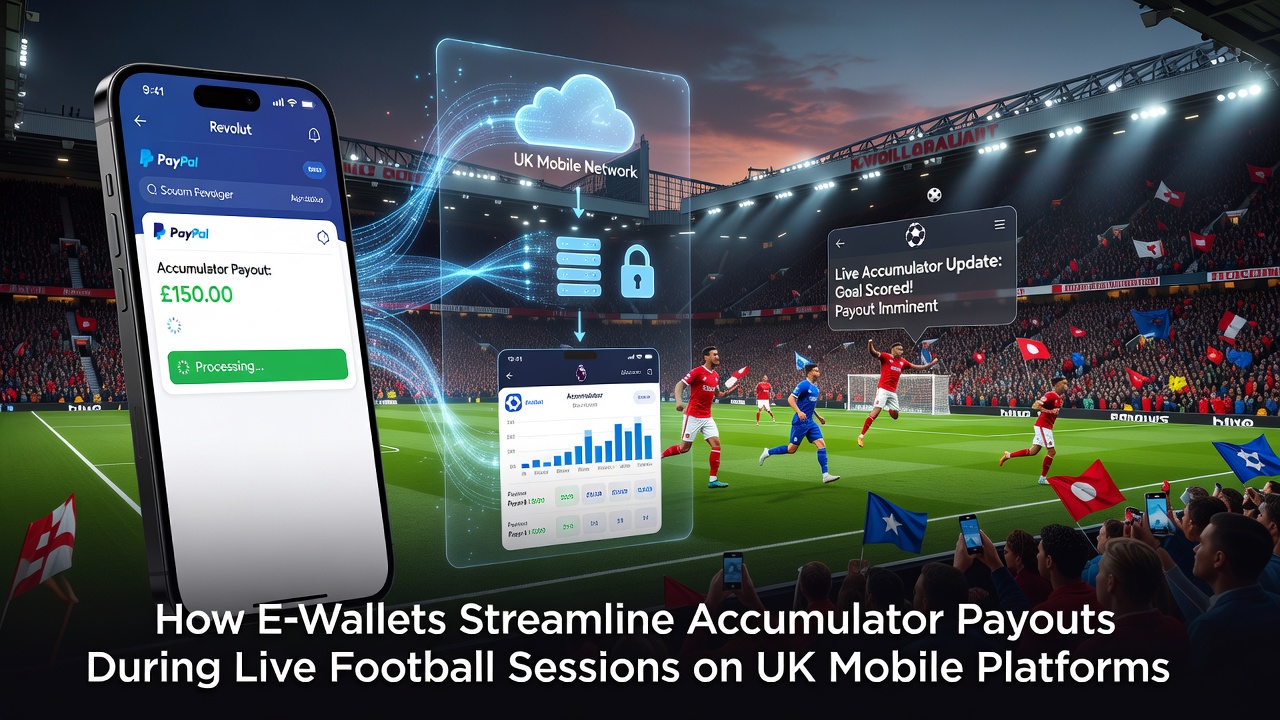
Accumulator bets on multiple football matches have gained traction among UK users who follow live sessions through dedicated mobile platforms, and e-wallets now handle the transfer of funds once all selections clear. These digital payment tools connect directly to betting applications, allowing balances to update without the delays that traditional bank transfers often create during ongoing matches. Data from industry reports indicate that transaction times for confirmed accumulators have shortened considerably since wider adoption of services such as Skrill and Neteller across major operators.
Integration Patterns Across Live Sessions
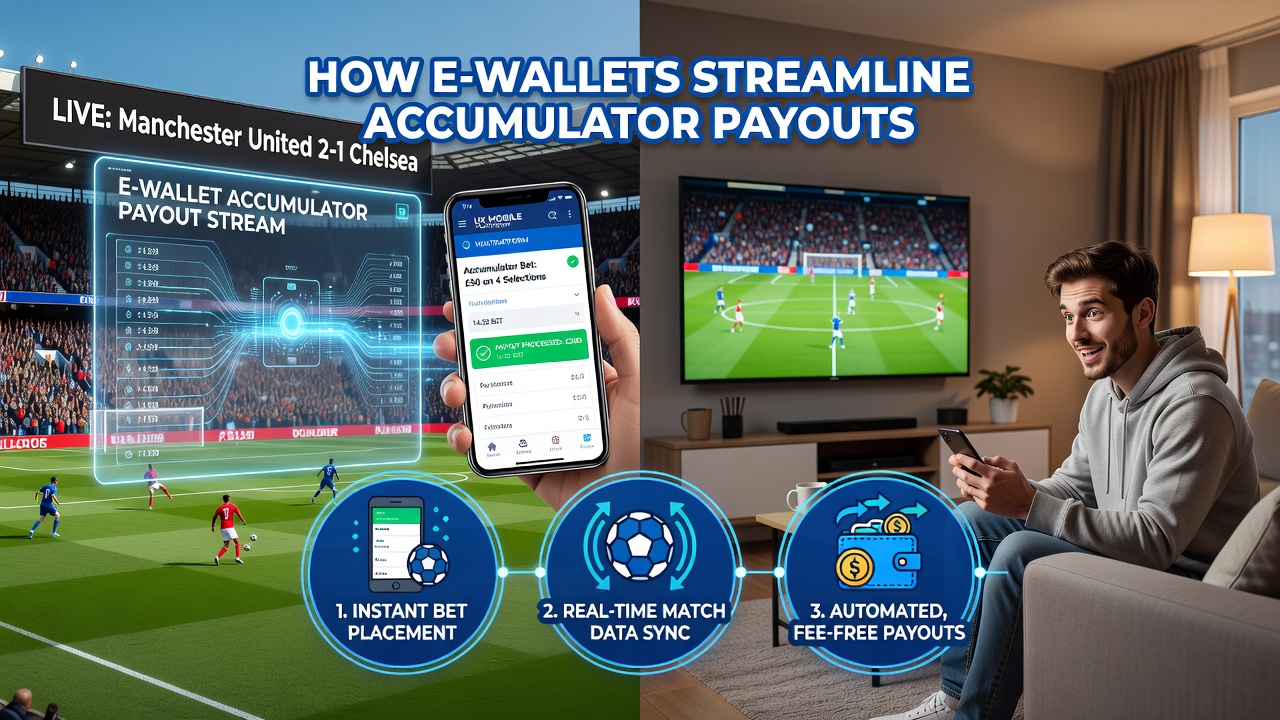
Live football sessions require constant updates to odds and bet statuses, so platforms incorporate e-wallet APIs that trigger automatic payouts the moment an accumulator reaches its final leg. Observers note that users receive notifications on their devices within seconds of the outcome, after which funds become available for immediate re-use or withdrawal requests. This setup reduces friction compared with older card-based systems that sometimes required manual verification steps lasting several hours.
Research from the Australian Gambling Research Centre highlights similar efficiencies in other regulated markets where real-time settlement tools have been tested, showing average payout windows dropping below two minutes for multi-leg bets on mobile. UK platforms have followed comparable paths, embedding these features to align with peak viewing periods such as midweek fixtures and weekend blocks.
Security Measures and Verification Flows
E-wallets maintain layered authentication that includes device recognition and transaction limits, which operators apply when processing accumulator returns during live events. Those who have studied platform architectures point out that two-factor prompts appear only for larger sums, allowing smaller wins to clear without interruption. This balance keeps sessions fluid while satisfying compliance checks required by payment providers.
Figures released by the European Gaming and Betting Association reveal that e-wallet usage for sports betting payouts rose steadily through 2025, with football accumulators accounting for a significant share of the volume. The same data set tracks how mobile applications now route these transfers through encrypted channels that update ledger entries on both the user and operator sides simultaneously.
Performance During Peak July 2026 Periods
By July 2026, several UK operators had expanded e-wallet support to cover additional accumulator formats, including those that combine pre-match and in-play selections within a single ticket. This expansion coincided with increased mobile traffic around international tournaments, where live sessions often extend late into the evening. Payment logs from that period show that completed accumulators cleared faster on devices using dedicated wallet apps than on those relying solely on bank-linked cards.
Platforms also introduced cash-out options tied directly to e-wallet balances, letting users lock in partial returns before the final whistle without leaving the application. Those who have examined transaction records observe that such features appear most frequently during high-stakes matches, where accumulator structures grow more complex as additional legs are added in real time.
Comparison With Alternative Payment Methods
Bank transfers and debit card withdrawals still operate on UK mobile platforms, yet they introduce longer confirmation windows that can extend past the conclusion of live sessions. E-wallets bypass many of these steps because they already hold verified funds and maintain pre-approved connections to the betting ecosystem. Industry analyses indicate that users who switch to e-wallets for accumulator payouts report fewer instances of pending status messages during the critical final minutes of matches.
Case studies shared by platform developers illustrate how API handshakes between wallets and betting engines now complete in under thirty seconds for most verified accounts. This speed becomes particularly relevant when accumulators involve late goals or penalty decisions that settle only after extra time or video review.
Conclusion
E-wallet infrastructure has become a standard component of accumulator processing on UK mobile platforms during live football, delivering faster balance updates and reduced manual intervention. Ongoing refinements in API connections and verification protocols continue to align these tools with the pace of in-play markets, while regulatory frameworks in multiple jurisdictions provide benchmarks for security and transaction reliability. As football schedules progress into late 2026, the same systems are expected to handle growing volumes without extending settlement times.