Secure Transactions Drive Split-Second Choices During UK Mobile Horse Race Betting
Paul Butler · Jun 23, 2026

Secure Transactions Drive Split-Second Choices During UK Mobile Horse Race Betting
UK mobile horse racing betting has evolved into a space where secure transaction methods directly shape how bettors respond to unfolding races, and data from industry reports shows this connection has strengthened through 2026. Payment systems that process deposits in seconds allow users to adjust stakes while horses approach the starting gate, whereas slower or less protected options often limit participation in live markets. Research indicates that integration between banking apps and betting platforms creates these opportunities without exposing user details during high-volume periods.
Payment Methods That Support Instant Adjustments
Digital wallets and instant bank transfers stand out because they verify funds almost immediately, which lets bettors move from watching odds shift to placing wagers before the next furlong marker. Studies from payment technology groups reveal that users who rely on these tools complete transactions 40 percent faster than those using traditional card entries during afternoon race meetings. Security layers such as tokenisation and biometric confirmation keep account details shielded while the speed remains high, and this combination matters when a horse's form changes mid-race due to track conditions.
Observers note that many platforms now embed these payment flows inside the same interface that displays live odds and runner positions. A bettor can top up an account balance between races at Ascot or Epsom without leaving the app, and the process takes under ten seconds in most documented cases. This setup reduces hesitation that once came from switching between separate banking and betting screens.
Real-Time Data Streams and Decision Timing
Live feeds supply updated odds, pace figures, and jockey reports every few seconds, yet these streams only become actionable when funds sit ready for immediate use. Figures from European financial technology analyses show that real-time payment rails introduced in recent years have cut average deposit times from 90 seconds to under 15 across mobile sports apps. Bettors therefore react to a sudden change in ground conditions or a late jockey switch by increasing or reducing stakes while the information remains current.
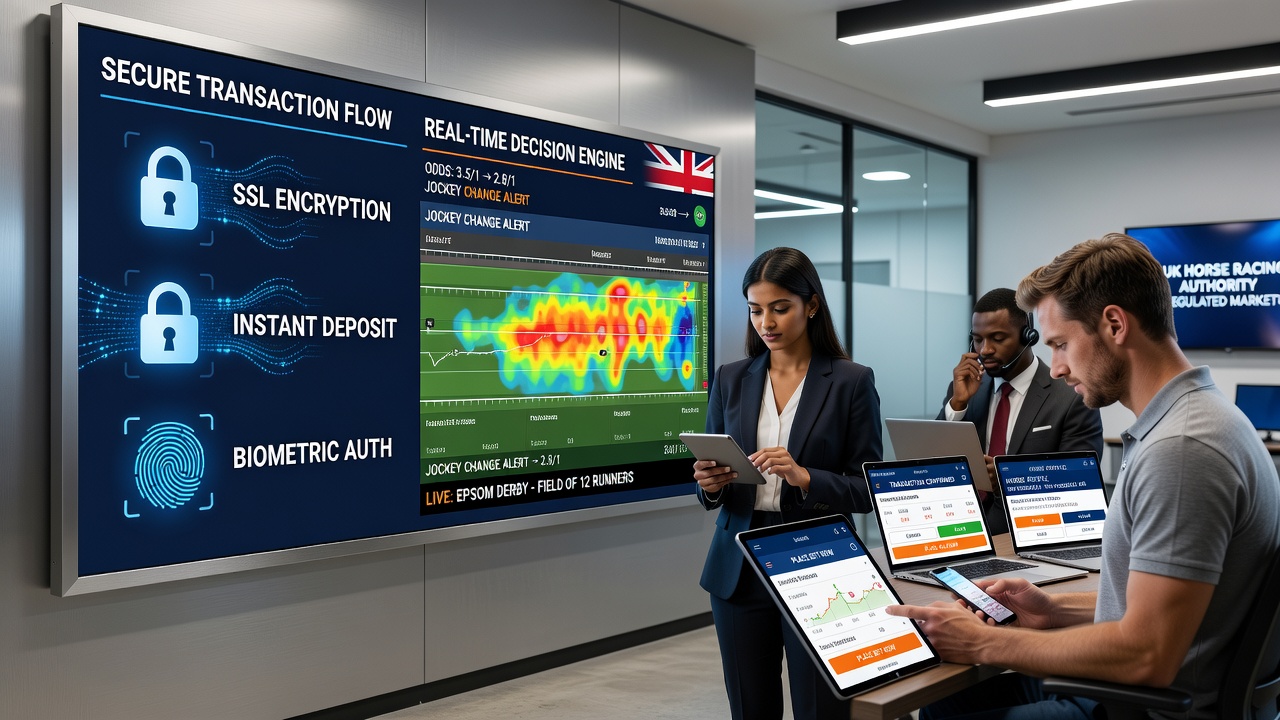
Those who have examined betting patterns point out that markets on individual race segments, such as the final two furlongs, open and close quickly. Secure instant options keep balances topped up so participants can enter these short-lived segments without waiting for clearance. In June 2026 several major meetings recorded higher volumes of in-race adjustments precisely on days when wallet-based deposits dominated activity logs.
Security Protocols That Maintain User Trust
Encryption standards and two-factor authentication protect transaction data even when volumes spike during evening racecards. Industry reports compiled by academic researchers at institutions outside the UK highlight how these measures prevent fraud attempts that historically targeted slower verification windows. Users therefore maintain higher account activity levels because they trust the system will not interrupt live betting sequences with security checks at critical moments.
One case examined by analysts involved a series of withdrawals processed immediately after a major festival meeting concluded, and the same security framework that handled deposits earlier allowed those exits to complete without additional delays. This bidirectional speed encourages repeat engagement because participants know both sides of the transaction remain protected and prompt.
Integration Challenges and Platform Responses
Some older banking systems still impose short holds that clash with the pace of mobile horse racing decisions, and platforms respond by prioritising newer payment partners that bypass these restrictions. Data collected through 2026 indicates that apps offering multiple instant rails, including those linked to international card networks and domestic faster payment schemes, retain more active users during peak summer racing months. The interplay shows most clearly when an unexpected non-runner announcement triggers rapid odds recalculations, and only those with pre-cleared funds can capitalise before the window narrows.
Conclusion
The connection between protected transaction speed and live horse racing choices continues to define mobile betting behaviour across the UK. Platforms that combine verified payment flows with continuous data updates enable users to act on fresh information without compromising account safety, and records through mid-2026 confirm sustained growth in this segment. As more meetings adopt enhanced live markets, the same technical alignment between security and timing will determine participation levels in future seasons.