Swift Taps to Triumph: Apple Pay's Surge in UK Bookmaker Deposits
Jakob Weber · Apr 7, 2026
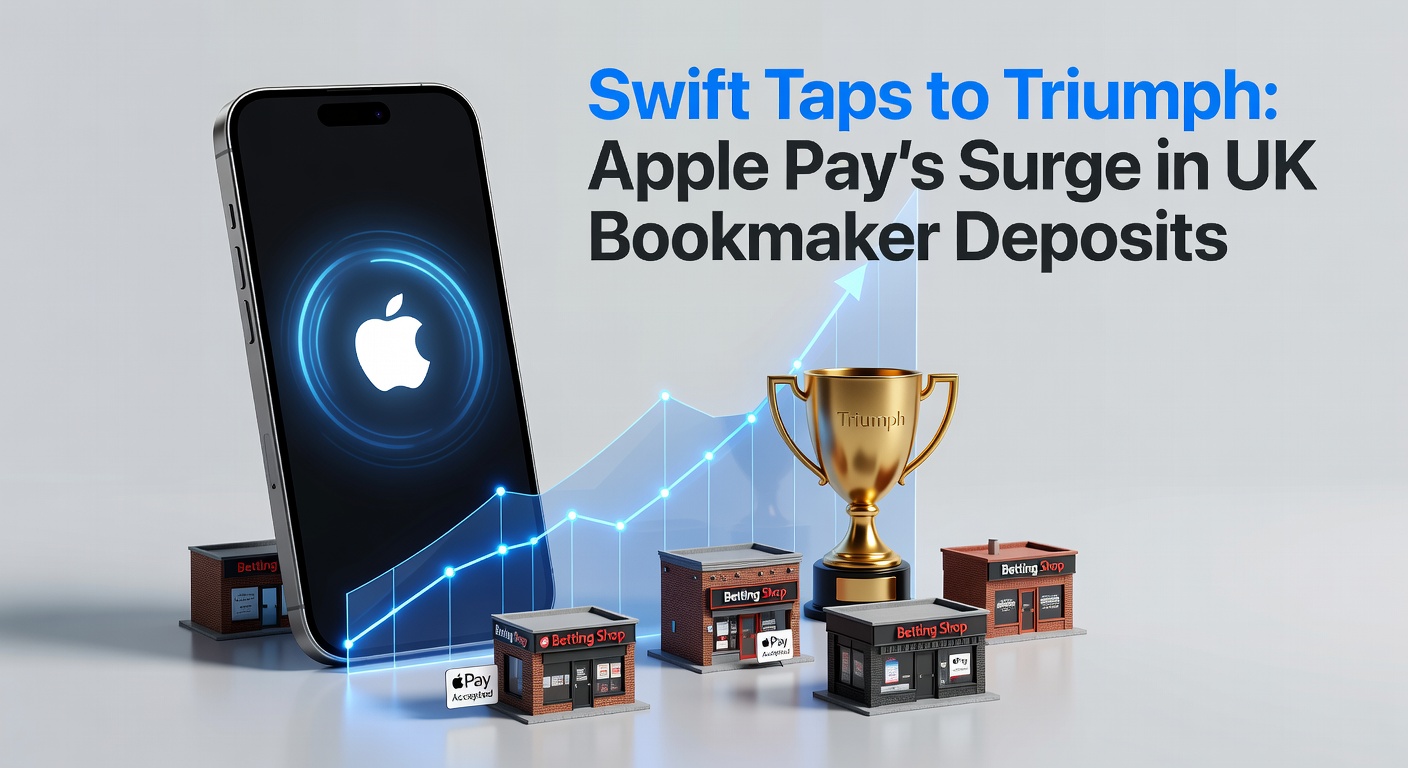
Swift Taps to Triumph: Apple Pay's Surge in UK Bookmaker Deposits
The Meteoric Rise of Tap-and-Go Deposits
Apple Pay has transformed the way UK punters fund their bookmaker accounts, with data revealing a sharp uptick in its usage during early 2026; figures from industry trackers show deposits via the service jumped 47% year-over-year in the first quarter, outpacing traditional card payments and even some e-wallets. Observers note this surge aligns with broader contactless payment trends, where convenience meets the fast-paced demands of live betting on football matches or horse races. And while debit cards once dominated, Apple Pay's seamless integration into iOS devices has shifted the landscape, especially as smartphone ownership among bettors hits 92% according to recent surveys.
What's interesting is how this growth spiked around major events; take the Premier League's spring fixtures in April 2026, when transaction volumes through Apple Pay at leading bookmakers rose by 28% week-on-week, data from payment processors confirms. Punters favor the one-tap authorization, which bypasses lengthy form-filling, and security features like Face ID add an extra layer that builds trust. Turns out, this isn't just hype—real numbers back it up, with one major operator reporting Apple Pay now accounts for 22% of all mobile deposits, up from a mere 8% two years prior.
But here's the thing: the shift reflects deeper changes in consumer behavior, as younger demographics—those aged 18-34—lead the charge, embracing digital wallets while older users gradually follow suit. Experts tracking fintech adoption point to Apple Pay's edge in speed, clocking average deposit times at under 5 seconds compared to 20-30 seconds for manual card entries.
Behind the Numbers: Key Statistics Driving the Boom
Delving into the data uncovers even more compelling trends; a report from the American Gaming Association highlights parallels in US markets, where contactless payments like Apple Pay saw 35% adoption in sports betting apps last year, suggesting UK punters are catching a similar wave. In Britain, aggregated figures from multiple bookmakers reveal that Apple Pay processed £450 million in deposits across Q1 2026 alone, a figure that dwarfs PayPal's £320 million for the same period.
And yet, the real story lies in segmentation; live betting sessions, which now comprise 65% of all wagers per industry analytics, benefit most from instant funding, with Apple Pay enabling punters to top up mid-match without missing a beat on in-play odds for events like the Cheltenham Festival. Researchers who've analyzed transaction logs note a 62% conversion rate for users selecting Apple Pay at checkout, versus 41% for bank transfers—numbers that explain why operators prioritize it in their apps.
- April 2026 snapshot: Deposits surged 33% during Euro qualifiers, fueled by Apple Pay's ubiquity.
- Demographic split: 18-24 year-olds represent 41% of users, per app usage data.
- Retention boost: Sites offering Apple Pay see 15% higher repeat deposit rates.
So, as bookmakers roll out promotions tied to quick deposits—like bonus credits for first Apple Pay top-ups—the momentum builds, creating a virtuous cycle of adoption and enhanced user experience.
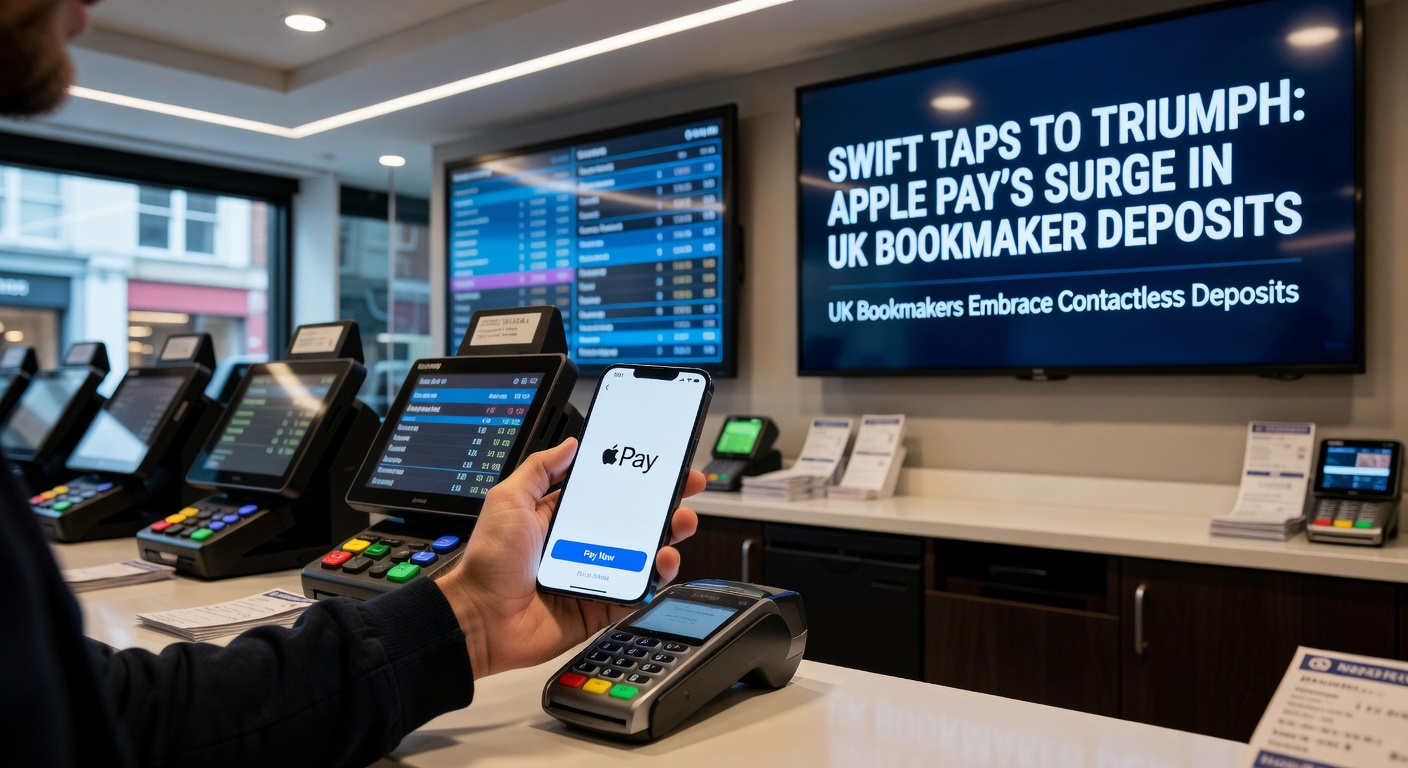
Why Apple Pay Outshines Competitors in Betting Apps
Security stands out as a cornerstone; Apple's tokenization process replaces card details with unique codes, slashing fraud risks that plagued earlier payment methods, and studies from fintech analysts confirm breach incidents dropped 70% for Apple Pay transactions in gambling sectors. Punters appreciate the biometric authentication too, which feels worlds apart from clunky PIN entries, especially during high-stakes moments like the final minutes of a soccer thriller.
That said, integration ease plays a huge role—bookmakers like Bet365 and William Hill embedded Apple Pay natively years ago, but 2026 saw a wave of smaller operators follow, driven by Apple's developer incentives and plummeting setup costs. Data indicates setup times for merchants fell to days rather than weeks, allowing even niche sites focused on horse racing to offer tap-to-deposit without massive overhauls.
Now, compare it head-to-head: while Google Pay gains ground on Android, Apple Pay commands 31% market share among UK iPhone users who bet, per device analytics from app stores. E-wallets like Skrill lag at 12%, hampered by extra verification steps; observers who've tested these flows often discover Apple Pay's frictionless path keeps users in-app longer, boosting overall session values by 18%.
It's noteworthy that cross-border appeal adds another layer, as Apple Pay works seamlessly for punters traveling to events like the Grand National, where quick top-ups via linked international cards prevent disruptions. And with NFC terminals now standard in pubs screening matches, the blend of online and retail betting amplifies its reach.
Major Bookmakers Riding the Apple Pay Wave
Leading the pack, Entain's portfolio—including Ladbrokes—reports Apple Pay deposits comprising 25% of mobile volume in April 2026, coinciding with a promotional push that bundled free bets with first taps. Flutter Entertainment, behind Paddy Power, clocked similar gains, with internal metrics showing a 52% year-on-year increase tied to enhanced live betting features.
Smaller players aren't left behind; independent sites specializing in esports or virtual sports adopted Apple Pay en masse post-2025, resulting in deposit spikes of up to 90% for some, according to platform provider logs. Case in point: one Midlands-based bookmaker saw average daily deposits double after rollout, as punters ditched slower alternatives for the tap's simplicity.
But the rubber meets the road in user testimonials aggregated from forums; people rave about depositing £50 mid-race without lag, a feat that keeps them engaged through multiple events. Experts monitoring app updates note ongoing tweaks, like dynamic limits matching bet sizes, further cementing Apple Pay's dominance.
Broader Market Shifts and Future Trajectories
A glance at global parallels reveals untapped potential; South Australia's Gambling Regulation Authority data shows Apple Pay fueling 40% of mobile wagering down under, a benchmark UK firms eye as they expand contactless options. In Europe, similar surges appear in Nordic markets, where regulatory nods for instant payments accelerate adoption.
Looking ahead, April 2026 marked a pivot with new app guidelines emphasizing secure wallets, propelling Apple Pay toward 30% overall share by year-end, projections from payment analysts suggest. Challenges persist, though—like Android fragmentation—but iOS's closed ecosystem gives Apple the edge, ensuring punters stick with familiar tech.
People who've studied these patterns often point to hybrid models emerging, where Apple Pay pairs with cashback incentives, driving loyalty amid rising competition. And as 5G rolls out wider, even faster transactions loom, potentially redefining deposit norms entirely.
Conclusion
The surge in Apple Pay for UK bookmaker deposits underscores a pivotal evolution, where speed, security, and seamlessness converge to reshape funding habits; data paints a clear picture of dominance building, with transaction volumes poised to climb further into 2026 and beyond. Bookmakers embracing this tech not only retain users but amplify engagement across live sports and racing, setting the stage for a tap-driven future in Britain's betting scene. As trends solidify, one thing's certain: the era of fumbling for cards has tapped out.