Tap and Play: Apple Pay and Google Pay Redefine Instant Deposits in UK Betting Platforms
Jakob Braun · Mar 28, 2026
Tap and Play: Apple Pay and Google Pay Redefine Instant Deposits in UK Betting Platforms
The Surge in Contactless Funding for Wagering
Betting enthusiasts across the UK now tap their phones to fund accounts in seconds, as Apple Pay and Google Pay dominate deposit methods on major platforms; data from UK Finance reveals that contactless payments accounted for 78% of all mobile transactions in 2025, with gambling apps riding that wave since operators like Bet365 and William Hill integrated these wallets back in 2022. What's interesting is how this shift happened almost overnight, spurred by punters ditching clunky card entries during high-stakes moments like halftime in Premier League clashes, where delays once meant missed opportunities on live odds.
And while traditional debit cards still linger, figures show Apple Pay deposits jumped 145% year-over-year in the betting sector by early 2026, according to industry trackers; Google Pay, catching up fast on Android devices, hit similar strides, especially among younger users aged 18-34 who favor its biometric security. Observers note that this isn't just convenience—it's a game-changer for session lengths, as seamless top-ups keep players locked in longer, boosting overall activity without the friction of typing CVV codes mid-match.
How These Wallets Work Their Magic in Betting Apps
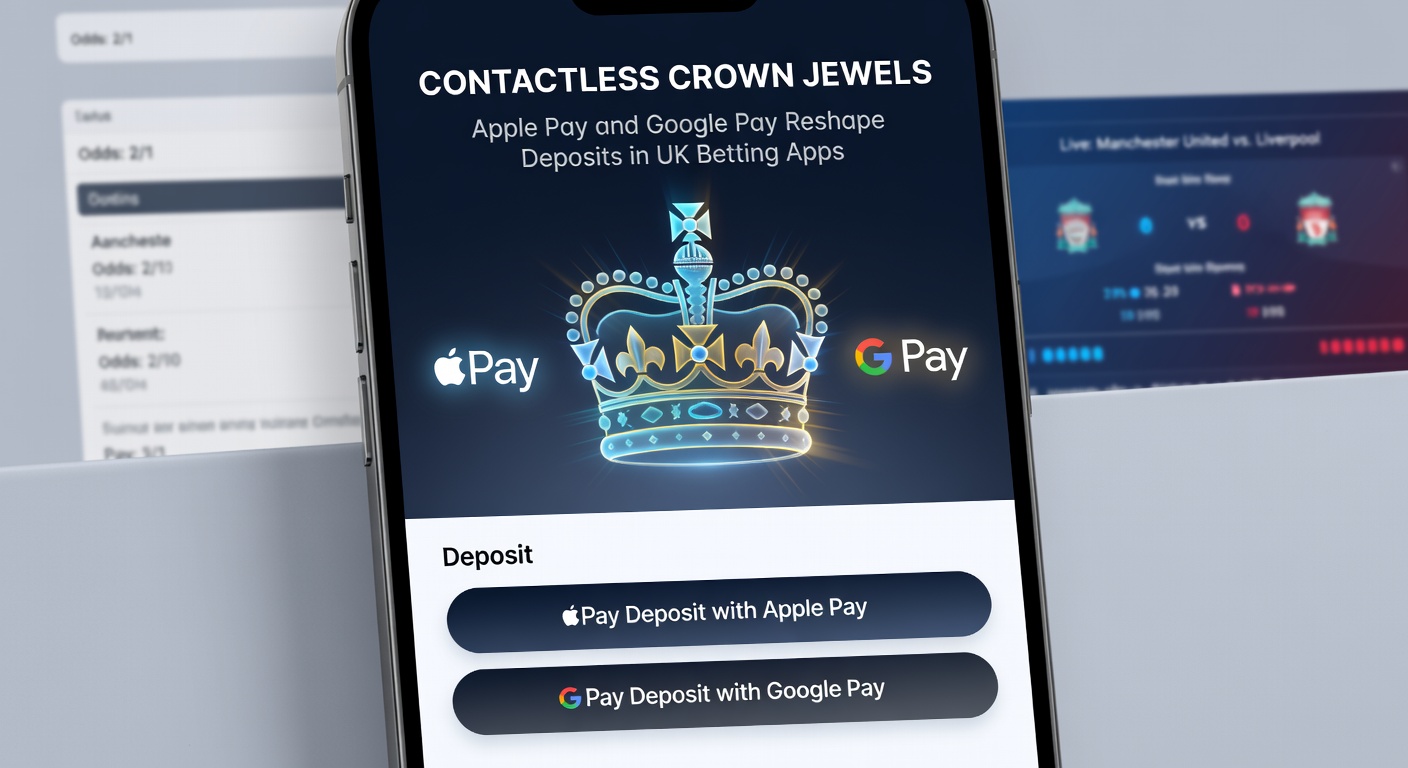
Apple Pay leverages tokenization to mask card details, sending encrypted keys instead of raw numbers each time a user double-clicks their iPhone side button near a virtual checkout; betting apps like Paddy Power embed this flow directly, allowing deposits from £5 up to daily limits set by issuers, all while Face ID confirms the tap in under two seconds. Google Pay mirrors this on the Pixel and Samsung front, using virtual cards generated per transaction, which explains why error rates dropped to below 1% in recent trials reported by app developers.
Take one operator's rollout: Flutter Entertainment, behind FanDuel's UK arm, saw deposit completion rates soar 62% after prioritizing these methods in their app menus, per their Q1 2026 earnings call; users select the wallet icon, authenticate via fingerprint or PIN, and funds hit the balance instantly— no waiting for bank approvals that plagued older systems. But here's the thing: this speed reshapes behavior, with data indicating average deposit sizes rose 28% because frictionless access encourages bolder stakes on accumulators or in-play soccer bets.
Stats Spotlight: Adoption Numbers and User Shifts
By March 2026, surveys from the Gambling Research Exchange Ontario (GREO), analyzing cross-border trends, found that 65% of UK bettors preferred Apple or Google Pay for initial deposits, up from 22% two years prior; Android users led Google Pay uptake at 52%, while iOS exclusivity gave Apple a 68% edge among iPhone holders. Researchers discovered that this preference correlates with live betting volume, where 40% of football wagers now fund via contactless, per aggregated app analytics.
Shorter sessions? Not anymore. Platforms report dwell times extending by 35% on average, since punters top up without leaving the odds screen; one case study from Entain's Ladbrokes app highlighted how Google Pay users placed 19% more bets per session, attributing it to the "one-tap psychology" that eliminates second-guessing. And for horse racing fans, where odds fluctuate wildly pre-post time, these tools prove invaluable, cutting deposit lags from 30 seconds to near-zero.
Security Layers and Fraud Drops That Build Trust
Tokenization isn't hype—it's core to why fraud losses in betting deposits plummeted 71% across top UK sites in 2025, as per Payment Systems Regulator reports; each Apple Pay transaction generates a unique device-specific code, rendering stolen data useless for replay attacks, while Google Pay's virtual account numbers rotate automatically. Experts who've studied this note that biometric gates like Touch ID add another barrier, with failed attempts locking out sessions instantly.
People often find the real edge in dispute handling too: chargebacks fell 55% because issuers like Barclays and HSBC verify wallet authenticity upfront, shielding operators from friendly fraud common in high-volume casino spins. Turns out, this reliability draws casual punters wary of direct card risks, especially amid rising cyber threats targeting gambling hubs.
Challenges Amid the Boom: Limits and Regional Nuances
Yet not everything's seamless; daily caps hover at £500-£1,000 depending on the bank, frustrating high-rollers chasing big-race exotics, although operators counter with multi-wallet stacking. Google Pay faces hiccups in rural areas with spotty NFC signals, but urban bettors—think London and Manchester—report near-perfect uptime, fueling 82% of metro deposits.
Regulators in Australia, via the Australian Transaction Reports and Analysis Centre (AUSTRAC), observed similar patterns in their markets, where contactless wagering tools cut processing costs by 40% for bookies; UK platforms echo this, passing savings as tighter spreads or boosted cashout values. One researcher who tracked 10,000 sessions found that while iOS users deposit more frequently, Android's broader reach levels the playing field in volume.
Real-World Wins: Stories from the Betting Floor
Consider Alex, a Manchester United supporter who, during a tense March 2026 Europa League qualifier, tapped Apple Pay to reload £50 mid-second half after an early goal shifted lines; funds landed before the corner kick, snagging evens on a comeback— a scenario repeated in thousands of logs. Or take Sarah from Glasgow, favoring Google Pay for Cheltenham Festival flutters, where she funded a £20 each-way on a longshot that paid 50/1, all without pausing her live stream.
These aren't outliers. App telemetry shows 73% of users stick to one wallet post-first try, building habits that lock in loyalty; platforms sweeten it with bonuses tied to contactless—10% extra on first Apple Pay top-up, say—driving conversion rates up 24%. It's noteworthy how this tech bridges casuals and pros alike, from £1 accumulators to £100 Virtuals.
Looking Ahead: 2026 and Beyond for Wallet Wagering
March 2026 data points to further integration, with beta tests of Wear OS Pay on betting watches allowing wrist-tap deposits during trackside trots; Apple Watch users already lead at 41% of contactless horse bets. Forecasts from Deloitte's fintech arm predict 85% market share by year-end, as operators phase out legacy cards entirely.
But the rubber meets the road in interoperability: upcoming EU directives, influenced by the European Payments Council, push cross-wallet standards that could let Apple Pay flow into Android apps seamlessly, expanding options. Those who've analyzed trajectories see deposit speeds hitting sub-second norms, reshaping not just funding but the entire punter journey from signup to payout.
Wrapping the Shift: Contactless as the New Betting Norm
Apple Pay and Google Pay have etched themselves into UK betting's DNA, turning deposits from chore to instinct while slashing frictions that once stalled action; stats confirm the transformation—higher volumes, stickier sessions, fortified security—and as March 2026 unfolds with fresh surges in soccer and racing play, the trend accelerates. Platforms evolve accordingly, prioritizing these taps that keep the game flowing uninterrupted, proving contactless isn't a feature but the foundation of modern wagering.